System thesis
Case study
FreshTrack AI Module
OCR plus optional LLM parsing service that turns noisy receipt images into structured, confidence-scored JSON contracts.
Primary evidence: FastAPI docs and endpoint contract
At a glance
- Input
- Receipt/document image
- Pipeline
- Preprocessing, Tesseract OCR, cleanup, optional LLM parser
- Output
- Structured JSON with confidence fields
APIFastAPI docs and endpoint contract
ValidationOCR, matching, LLM service tests
AssetSample receipt image and output docs
System problem
Why this system exists.
Receipt and image parsing pipelines need to distinguish real entities from payment lines, addresses, totals, headers, and formatting noise.
Implementation surface
What was built.
- FastAPI service.
- OCR and parsing utilities.
- Optional LLM path.
- Docker variants.
Architecture
A system map for the project.
Receipt image -> preprocessing -> OCR -> text cleanup -> optional LLM parser -> confidence scoring -> structured JSON API -> frontend/database consumer.
A document/vision API path where image cleanup, OCR, parsing, optional LLM filtering, confidence, and JSON output are distinct.
Image Intake
receipt imagepreprocessingupload API
OCR Layer
Tesseractraw textnoise cleanup
Parser Layer
domain matchingoptional LLMfalse-positive filter
Contract Layer
confidenceshelf-life lookupJSON response
How it works
Input, transformation, model or agent logic, and reviewable output.
Image intake
The service starts with a receipt-like image and keeps the extraction path API-first.
OCR cleanup
Tesseract output is cleaned to reduce store metadata, payment lines, and formatting noise.
Optional LLM parser
LLM-assisted parsing is used as a false-positive reduction aid when available.
JSON contract
Confidence-scored output is designed for downstream UI or database integration.
Evidence
Screenshots, responses, diagrams, tests, and model tables from the source repos.
Artifacts are included only where the public repo has enough context to show them safely.
Sample receipt artifact
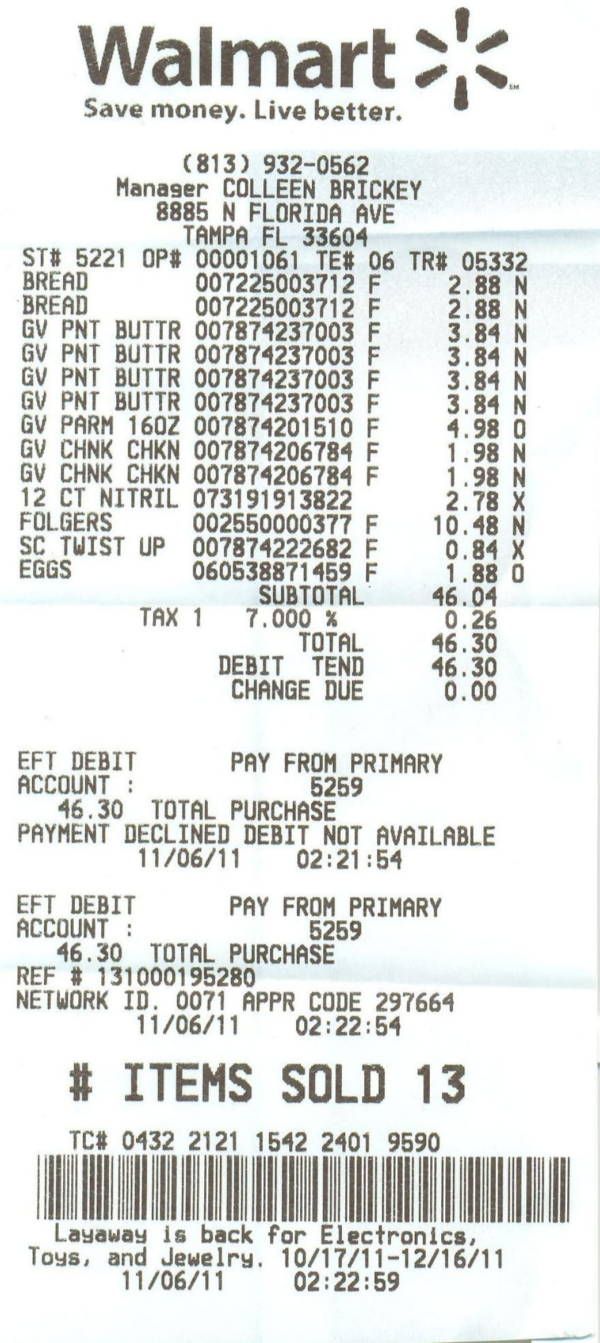
LLM-enhanced output shape
{
  "items": [
    { "name": "Bread", "confidence": "high" },
    { "name": "Peanut Butter", "confidence": "high" },
    { "name": "Coffee", "confidence": "high" }
  ],
  "ocr_engine": "Tesseract"
}
Engineering Decisions
Confidence over certainty
The API exposes confidence so downstream workflows can review or route uncertain outputs.
Local/service variants
Docker variants and optional LLM paths keep the system adaptable to different runtime constraints.
Transferable pattern
The same OCR-to-JSON discipline transfers to regulated document extraction workflows.
Validation / reliability
How the system is made reviewable.
- Python source and scripts compile.
- Full pytest requires optional sentence-transformers.
- README documents dependency limitations.
- FastAPI service and docs.
- Docker variants and env examples.
- Confidence fields support review.
Limits / responsible use
Production-style reference implementation. Do not commit sensitive receipts, payment data, or API keys.
- Confidence fields and cleanup logic make noisy OCR output reviewable.
- Optional LLM assistance is treated as parsing support, not automatic truth.
- Sensitive receipts, payment data, and API keys are out of scope for public artifacts.
Repository
Open the source repo and inspect the implementation boundary.
All public examples are synthetic, sanitized, historical, or research/demo implementations. No PHI, PII, employer-confidential data, proprietary claims data, private keys, production credentials, or sensitive datasets are included.